
Poker looks like a game of skill, but rake quietly takes a cut from every pot or hour you play. The house edge in poker rake shapes how much value you pocket long after any welcome offer disappears. I’ve sat in operator-investor reviews where the rake structure decides whether a poker room bleeds or compounds loyalty over twelve months. Most operators publish their tables openly, and resources like hellspinnodepositcode.com lay out the headline numbers clearly enough for a quick compare.
How Rake Actually Gets Collected at the Tables
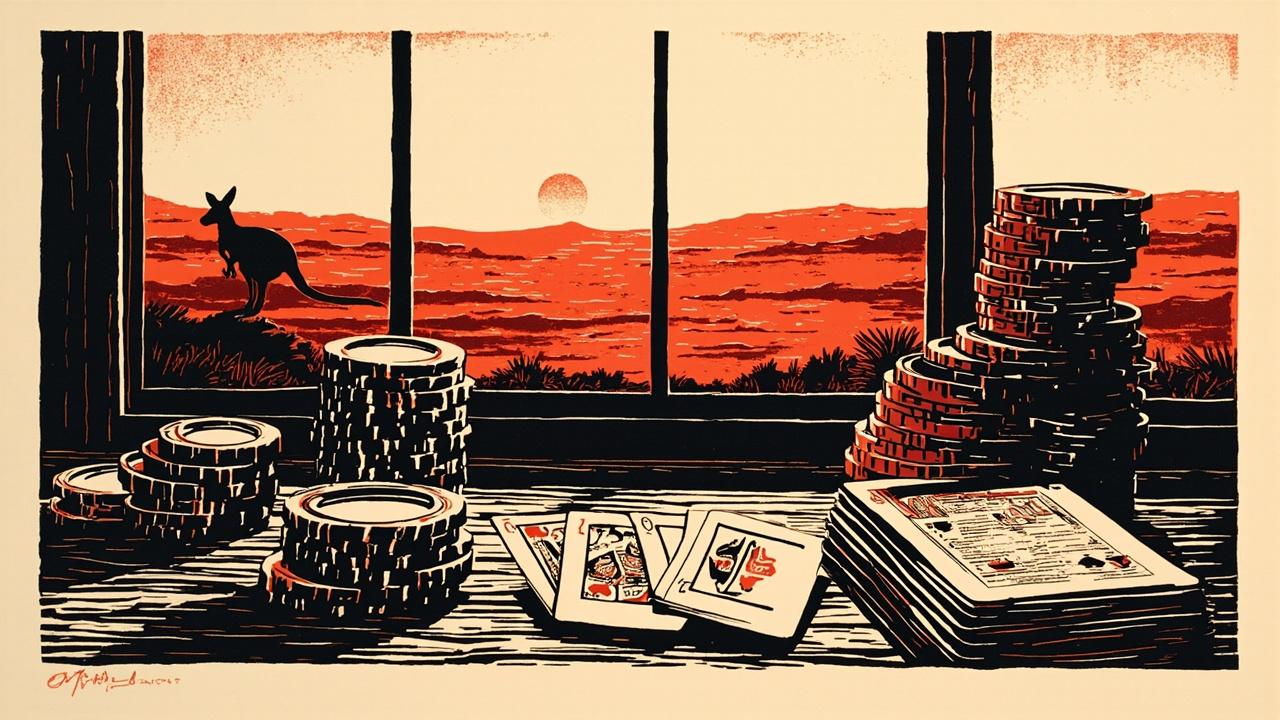
Rake in cash games usually runs between 2.5% and 5% of each pot, capped at a maximum per hand that varies by stake. The cap matters more than the percentage because it sets the worst-case drag on a big pot. Tournament rake typically lands as a flat fee of 8% to 10% added to the buy-in.
The collection method splits further. Some rooms use the dealt-rake method, where every player who saw a flop pays an equal share. Others apply the no-flop-no-drop rule, so rake only applies once action reaches the flop. A third model, the contributed-rake method, charges each player proportional to what they put in. I’ve seen operators favour contributed rake because it gives a cleaner basis for rakeback calculations, even though the marketing team often pushes no-flop-no-drop as the player-friendly option.
Watch out for weighted-contributed systems, where points accrue faster on certain game types. No-limit hold’em might earn 1.0 points per $1 raked, while pot-limit Omaha drops to 0.5 because of higher variance swings. This quietly steers grinders toward specific tables and limits what you can extract from the loyalty scheme.
Where the Real Long-Term Value Lives
The welcome offer is a hook. The recurring rakeback is the meal. Most rooms run tiered VIP programmes returning a percentage of your rake, from 10% entry to 60% for top grinders. The schedule should be published weekly, with a clear reset window so you know when each cycle locks in – no worries about missed deadlines.
Beyond raw cashback, look for milestone bonuses at specific rake thresholds:
- Hit $500 in weekly rake, collect a $50 reload.
- Hit $5,000 across the quarter, earn a freeroll seat with a five-figure prize pool.
- Hold top-tier status for six months and earn a dedicated host with priority withdrawals.
These reward volume over one-off deposits, which is why they’re the backbone of player retention in any well-run poker room.
Australia’s casinos employ tens of thousands of staff nationally, and digital rooms serving Aussie players face similar scaling pressures. The volume-based loyalty structures borrow from that terrestrial playbook, where host-led retention matters more than any sign-up headline. Players in Geelong who commute to Melbourne for live cash games will recognise the same logic: it’s the regulars who keep a room open.
Recurring Tournaments and Leaderboards
Daily and weekly tournaments feed the ongoing-value engine. Strong rooms post guaranteed prize pools that don’t depend on entrants, plus leaderboard races where the top thirty split a bonus pool weekly. Some rooms run SNG jackpots paying ten times the buy-in to a random qualifier, adding real expected value over thousands of spins.
Sunday majors with five-figure guarantees anchor the calendar for most grinders, but recurring midweek events are where long-term value compounds. A mate of mine runs the Sunday major weekly and reckons his hourly only beats break-even when recurring events stack with rakeback. A $20 buy-in with a $1,500 guarantee running three times a week builds a steady grind schedule that offsets cash-game variance.
Geelong locals who frequent the pubs around the waterfront know the rhythm: poker night arvo, then a quiet evening session online when the week’s been busy as. The same habit structure works at the digital tables, and operators tune recurring tournament schedules around that repeat-play pattern. Beyond tournaments, the broader room layers in symbol-based slot promos, with scattered symbol payouts feeding points into the same loyalty pot.
The Trade-Offs Most Players Miss
Every loyalty structure has friction baked in. Rakeback is sometimes paid as bonus funds with a 5x to 10x wagering requirement, which is materially worse than straight cash. Withdrawal timelines on bonus-derived balances can stretch to seven business days, and identity verification can delay the first payout while your tier progress keeps accumulating.
Stakes restrictions are common. Many programmes exclude micro-stakes players from the higher rakeback tiers, and some rooms require a minimum monthly rake of $200 before any rebate is paid. Tournament tickets earned through leaderboards often expire within thirty days, and freeroll seats can’t be transferred or sold.
I’ve sat in operator meetings where the loyalty budget gets squeezed when margins tighten, and the first thing trimmed is usually the mid-tier rakeback percentage. Across the broader industry, Australia’s casinos employ tens of thousands of staff nationally, and digital rooms inherit the same cost discipline. That’s why the published schedule matters more than any testimonial: it’s the contract. Check the small print, defo confirm the cashback is withdrawable, and don’t reckon on a tier staying the same level forever.
The house edge in poker rake is unavoidable, but the long-term player return isn’t fixed. Pick rooms with published rakeback schedules, weekly reset cycles, and recurring tournament value that doesn’t depend on a single sign-up. Verifiable terms beat glossy headlines every time, and a quiet loyalty tier that pays out weekly is worth more than a flashy first deposit that expires in seven days.