
Understanding the psychological triggers that drive gambling behavior in casinos
The Allure of Risk and Reward
The thrill of gambling is often rooted in the psychology of risk and reward. Gamblers are naturally attracted to the potential of winning large sums of money, which creates an exciting rush. This sensation is tied to the brain’s reward system, where dopamine—a neurotransmitter associated with pleasure—is released during moments of excitement. The prospect of winning can trigger intense feelings of joy, leading individuals to engage in repeated gambling behavior, often despite the odds being against them. Many enthusiasts also explore online pokies for an exhilarating experience from the comfort of their homes.
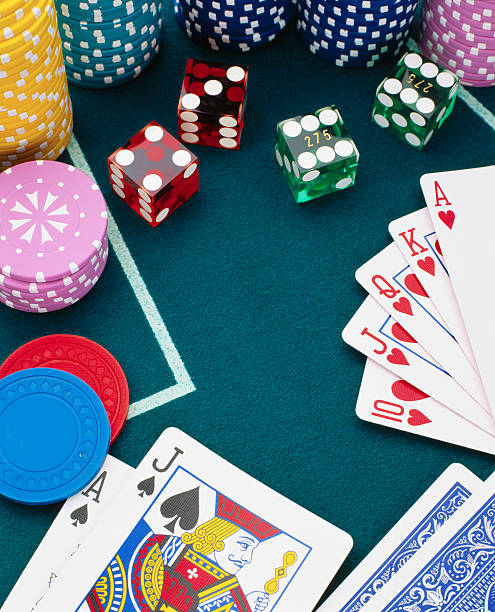
This risk-reward dynamic becomes even more potent in casino environments, where games are designed to maximize excitement. Bright lights, engaging sounds, and the presence of other enthusiastic players amplify the emotional experience, making it harder for individuals to resist the urge to gamble. As they chase the thrill of a big win, gamblers may find themselves caught in a cycle that perpetuates their behavior, further compounding their desire to return.
The Role of Cognitive Biases
Cognitive biases play a significant role in gambling behavior. One common bias is the illusion of control, where gamblers believe they can influence the outcome of a game, even when it is purely based on chance. This false sense of empowerment can lead players to take greater risks, believing they have a better chance of winning than they actually do. This mindset is particularly prevalent in games like poker or blackjack, where strategic decision-making can create the illusion of skill over luck.
Additionally, the availability heuristic—where recent or vivid memories of wins influence future decisions—can skew a gambler’s perception of reality. If a person recalls a recent win, they may overestimate their chances of winning again, reinforcing their gambling habits. These cognitive traps can lead individuals to make irrational decisions, escalating their gambling behavior over time.
The Influence of Social Environment
The social environment within a casino greatly impacts gambling behavior. Being around other players creates a sense of camaraderie and excitement, which can enhance the overall gambling experience. Observing others winning can evoke feelings of envy and competition, pushing individuals to gamble more in hopes of matching or exceeding those wins. This social dynamic can lead to increased spending and risk-taking, as players seek to maintain their status within the group.
Moreover, casinos often employ strategies to encourage social interaction, such as complimentary drinks and entertainment, which can lower inhibitions and lead to more significant gambling. The combination of social pressure and a stimulating atmosphere can create an environment where gambling becomes a communal activity, further motivating individuals to engage in behaviors they might typically avoid.
The Impact of Emotional States
Emotional states significantly influence gambling behavior, often driving individuals to gamble as a means of coping with stress or negative feelings. Many people turn to gambling as a distraction or escape from their daily challenges, seeking solace in the adrenaline rush of games. This behavior can lead to a pattern of using gambling as a coping mechanism, which can be particularly dangerous when individuals face personal or financial issues.
Conversely, positive emotional states, such as joy or celebration, can also encourage gambling. People often associate fun events or social gatherings with games, leading them to gamble more frequently in these contexts. This interplay of emotions can create a precarious balance, where gambling becomes intertwined with one’s emotional well-being, making it more challenging to recognize when it has become a problem.
Exploring the Casino Experience
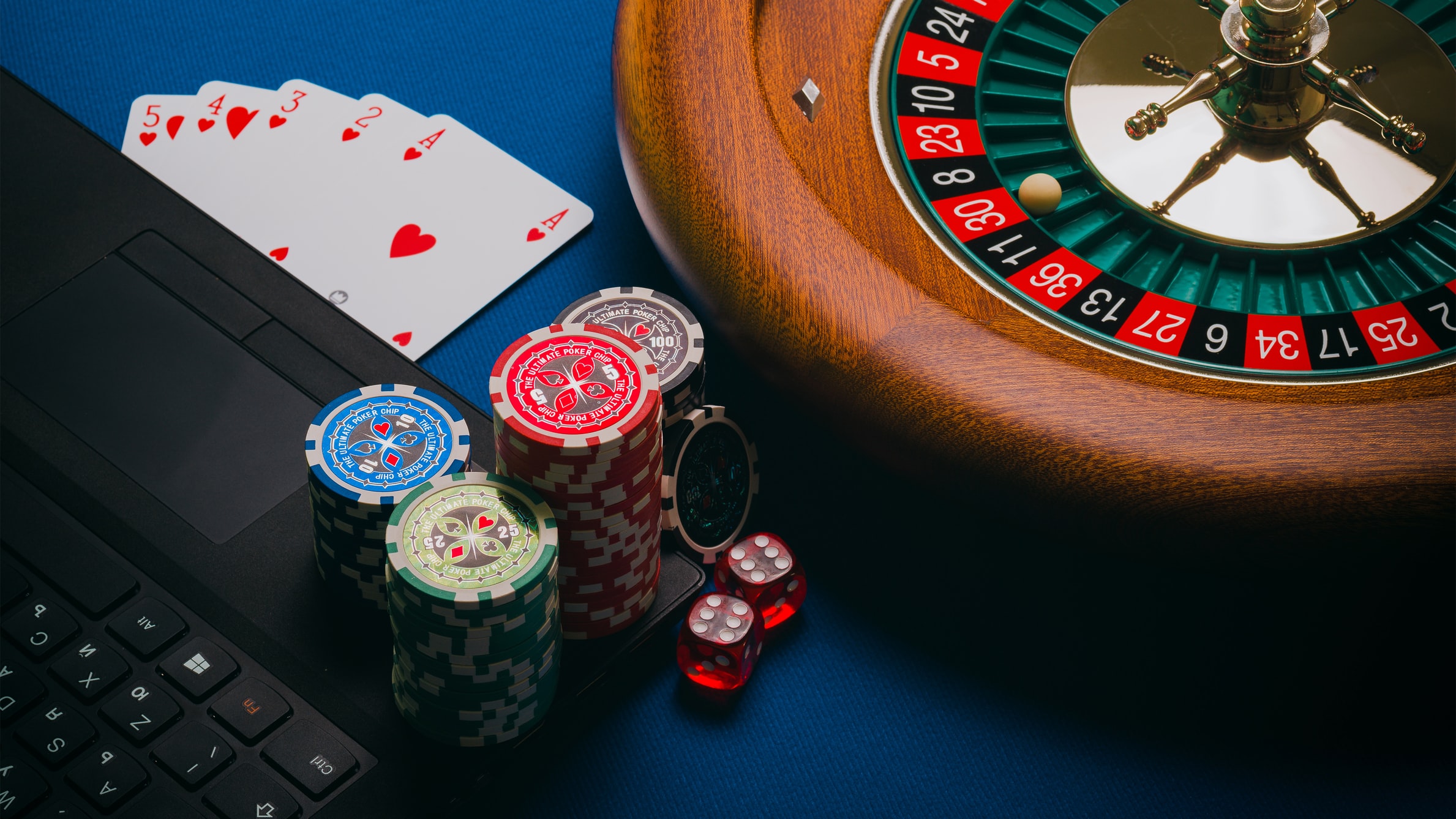
Understanding the psychological triggers that drive gambling behavior in casinos is crucial for recognizing how these environments can manipulate emotions and perceptions. Casinos are meticulously designed to maximize engagement, from the layout of games to the sensory experiences provided. By recognizing these factors, individuals can become more aware of their gambling habits and the psychological influences at play.
As awareness grows regarding the psychological aspects of gambling, resources and support systems are becoming more vital in helping individuals navigate their experiences. Whether through responsible gambling initiatives or professional support, the conversation surrounding gambling behavior continues to evolve, providing pathways for healthier interactions with the casino experience.